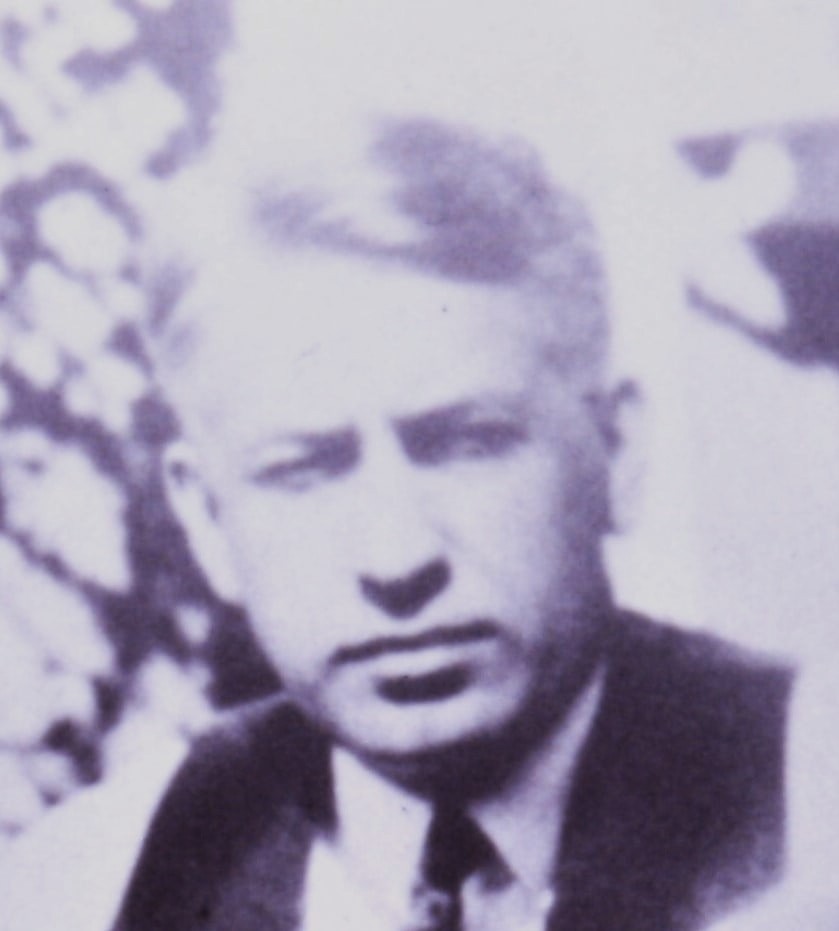
Hubert Ver Mehren
Hubert Ver Mehren
2025 Inductee
Today the Quilters Hall of Fame recognizes Hubert Ver Mehren of Des Moines, Iowa, as the designer of the most original pieced patterns in the first half of the Twentieth Century. However, during his most active years from 1925 to 1935, he kept his name off his products and out of the newspapers as an advertising and distribution strategy that confused researchers for decades. Now, new information from on-line sources provides a better understanding of Ver Mehren’s creativity, engineering and marketing skills as the manager of the Iowa Button and Pleating Company. He influenced quilters during the Great Depression as well as many who are making quilts today.
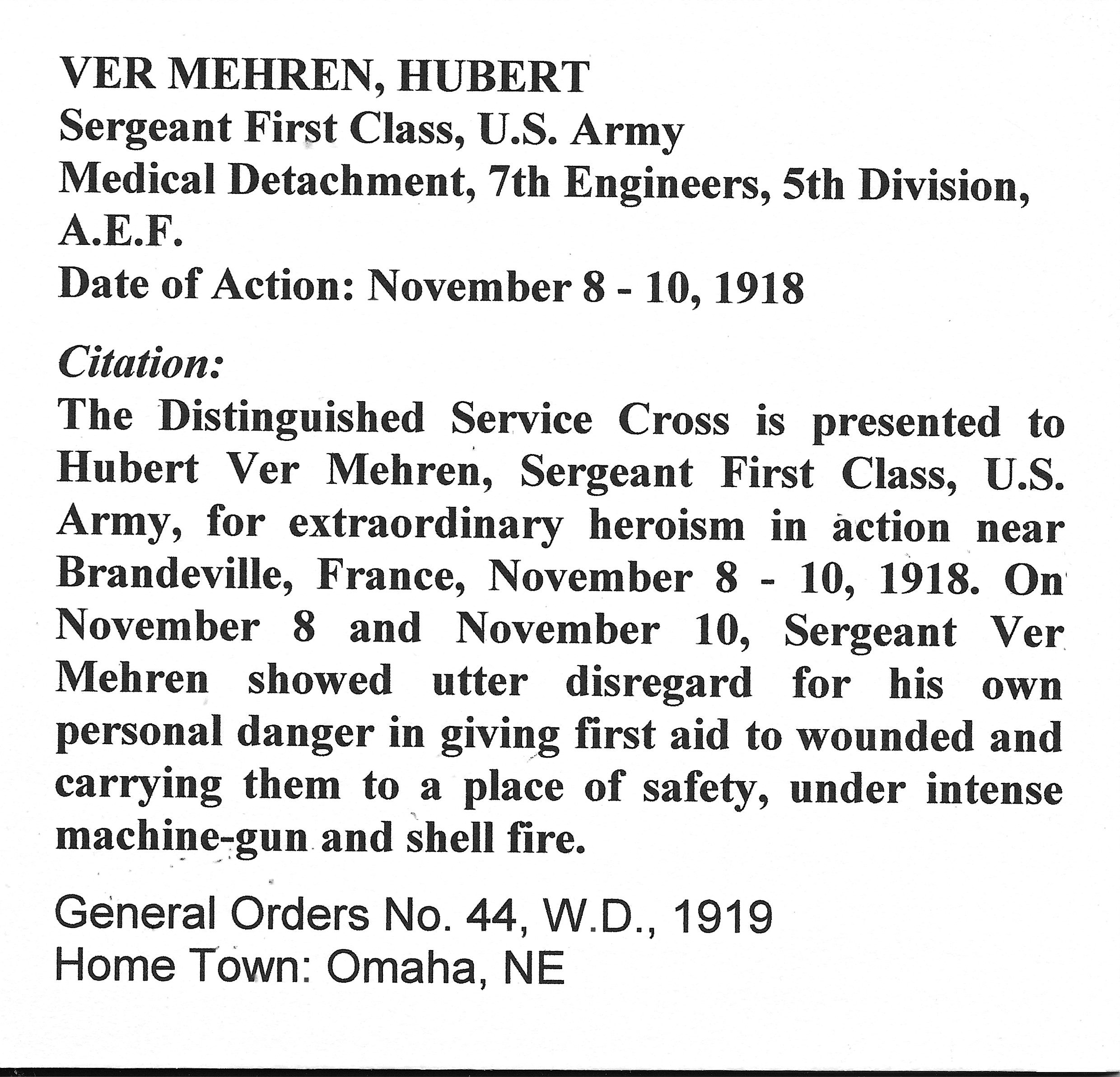
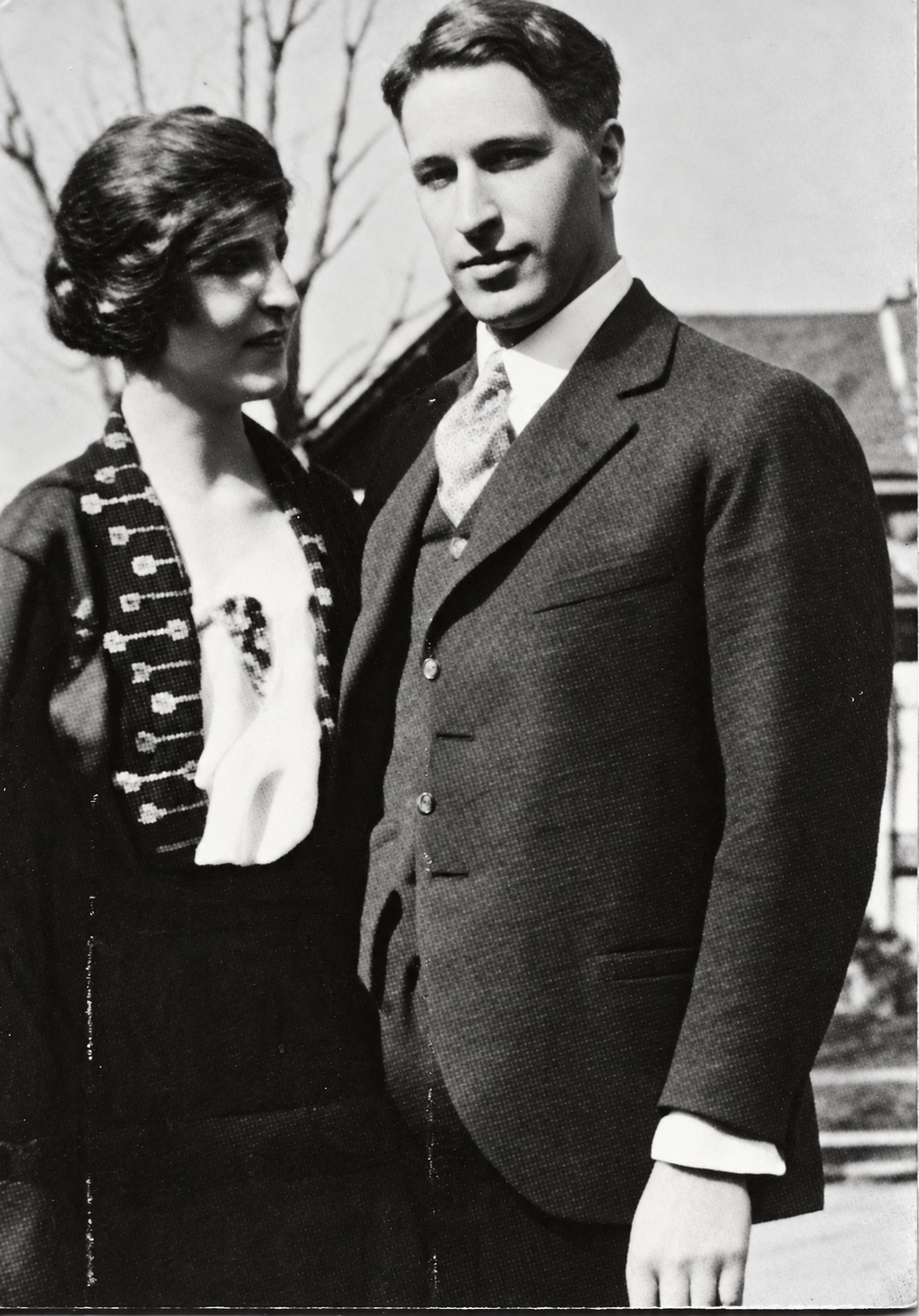
Born in Iowa in 1892, Hubert Ver Mehren grew up in Omaha, Nebraska, where his father, Herman, and step-mother, Frances, created the Ideal Button and Pleating Company to aid home sewers by stamping designs for the application of trims, pressing fabric into pleats, and covering buttons. After Hubert returned home from France at the end of World War I with the Distinguished Service Cross for carrying wounded men to safety under fire, he became the manager of the Iowa Button and Pleating Company in Des Moines, and married Mayme Jacobs, his step-mother’s sister.
As dress styles changed in the 1920s, Iowa Button and Pleating under Hubert’s direction began producing art goods. People’s Popular Monthly, a locally published magazine with national circulation, featured the company’s stamped bed linens and quilt blocks for embroidery. Hubert’s first collection of traditional pieced quilt patterns appeared in March, 1931, just before the magazine ceased publication. The homecraft editor later described Ver Mehren as hard working, conscientious, and having a good sense of what would sell.
During the 1920s, Mayme gave birth to a daughter and a son while keeping the books for Iowa Button and Pleating. In the early 1930s, the couple started Home Art Studios as a retail outlet for Iowa Button and Pleating products and sold them through Hubert’s new Colonial Quilts and Decorative Needlework catalog. Subsequent editions titled Colonial Quilts had colorful pages offering quilt and quilting patterns, a few stamped kits for his original pieced medallions, and embroidery products. Ver Mehren also designed print ads and made arrangements for newspapers to run them free of charge in return for a percentage of sales. As a bonus, he put the name of each publication on the cover of the catalogs it sold. Hubert never publicized his business or added his name to any patterns.
Ver Mehren’s first catalog with color photographs of beautifully quilted “Lone Star” and “Rising Sun” quilts in shades of yellow and orange appeared late in 1932. By the early spring of 1933, a new edition of the catalog included his complex “Star of France” design. “Rising Sun” and the “Star of France” quilts were regional winners in the 1933 Sears National Quilt Contest. Another “Rising Sun” won first prize in the Detroit News contest in 1934, and a third example won first place for Indiana in Good Housekeeping’s 1978 Great American Quilt Contest.
Ver Mehren continued to add new designs for quilts and embroidery through 1934. By this time, Mayme was dealing with cancer, and the couple had found outsiders to make advertising arrangements with newspapers. In 1933, Hubert discreetly added “H. Ver Mehren” copyright notices for two editions of the catalogs with the names “Nancy Lee” and “Hope Winslow.” They used Chicago addresses, but their true identities have not been found, and their involvement complicated an already intricate marketing setup.
Hubert’s “Giant Dahlia” was his last and most popular product, due in part to its appearance in Needlecraft Magazine in 1935. Altogether he designed about two dozen medallions and several separate interchangeable pieced borders. His repeating units pattern with interlocking shapes called “Golden Wedding Ring” best represented his allover designs. While the pieced quilt patterns attracted the most attention, half of every catalog included embroidery staples plus new series for “Flower Garden No. 2”, “Blossom Time,” “May Day Flower Baskets” and “State Flowers.” The Flower Garden designs with Ver Mehren’s original fence and open gate border even appeared in Needlecraft magazine. Recent reprints of some of the series are keeping the patterns in circulation.
Mayme Ver Mehren handled the financial records until her death in 1937. Although Hubert soon ended the pattern making component of his business, Iowa Button and Pleating continued to offer services such as zipper replacement or embroidered school flags and athletic jackets. In the 1950s, he used the Home Art Studios name–and won a national marketing award–for selling fabric painting supplies and stencils. From time to time, the designer issued a sheet of patterns for a small outlet but failed in an attempt to supply new medallions and reprint old ones the 1960s. Hubert Ver Mehren died in 1972 from accidental carbon monoxide poisoning due to a bird’s nest in the chimney at his living quarters above the business.
By Susan Price Miller
The Quilters Hall of Fame recognizes Hubert Ver Mehren of Des Moines, Iowa, as the designer of the most original pieced patterns in the first half of the Twentieth Century.
He influenced quilters during the Great Depression as well as many who are making quilts today.
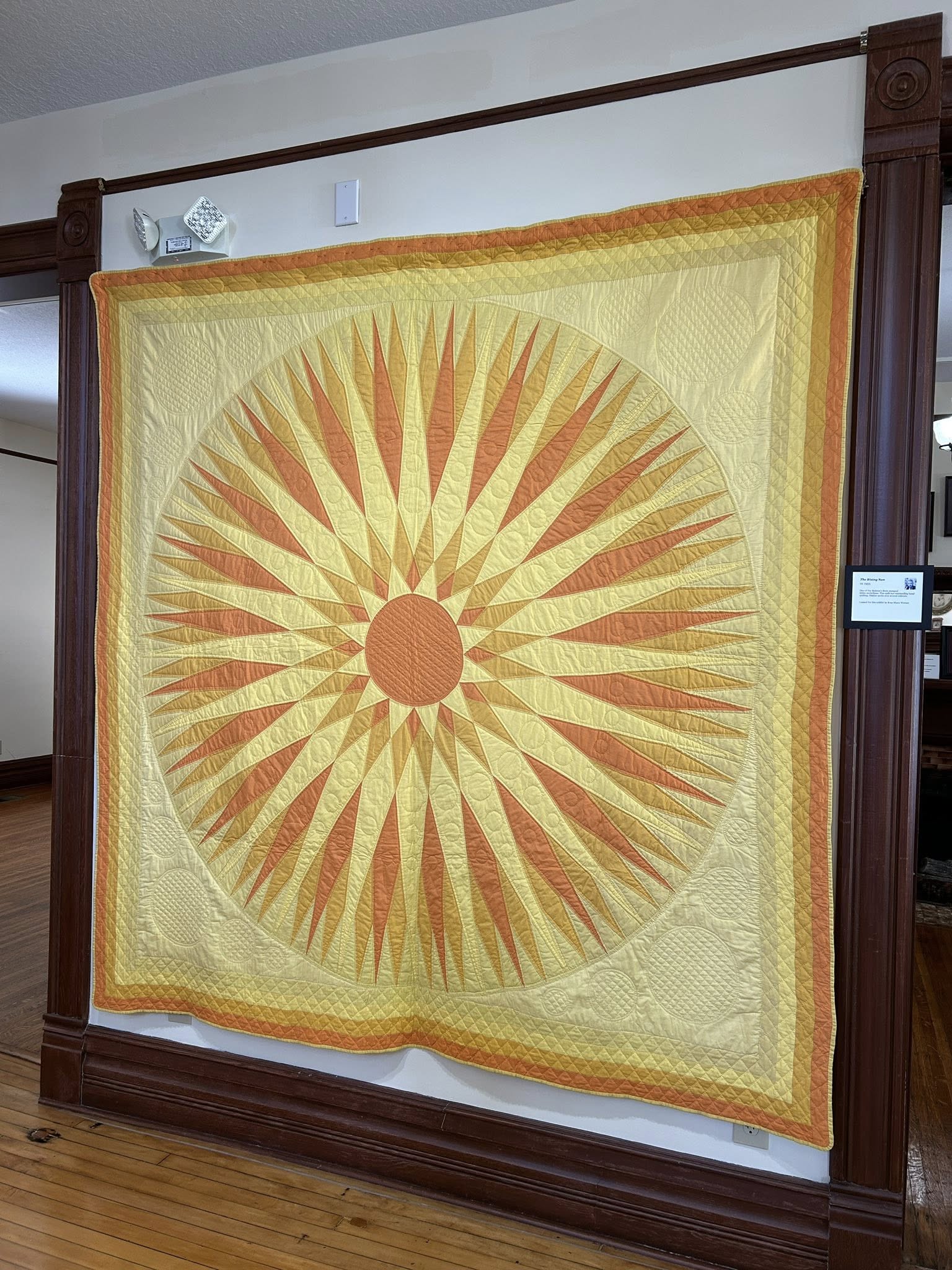
The Rising Sun c. 1933, Unknown maker. From the collection of Rose Marie Werner.
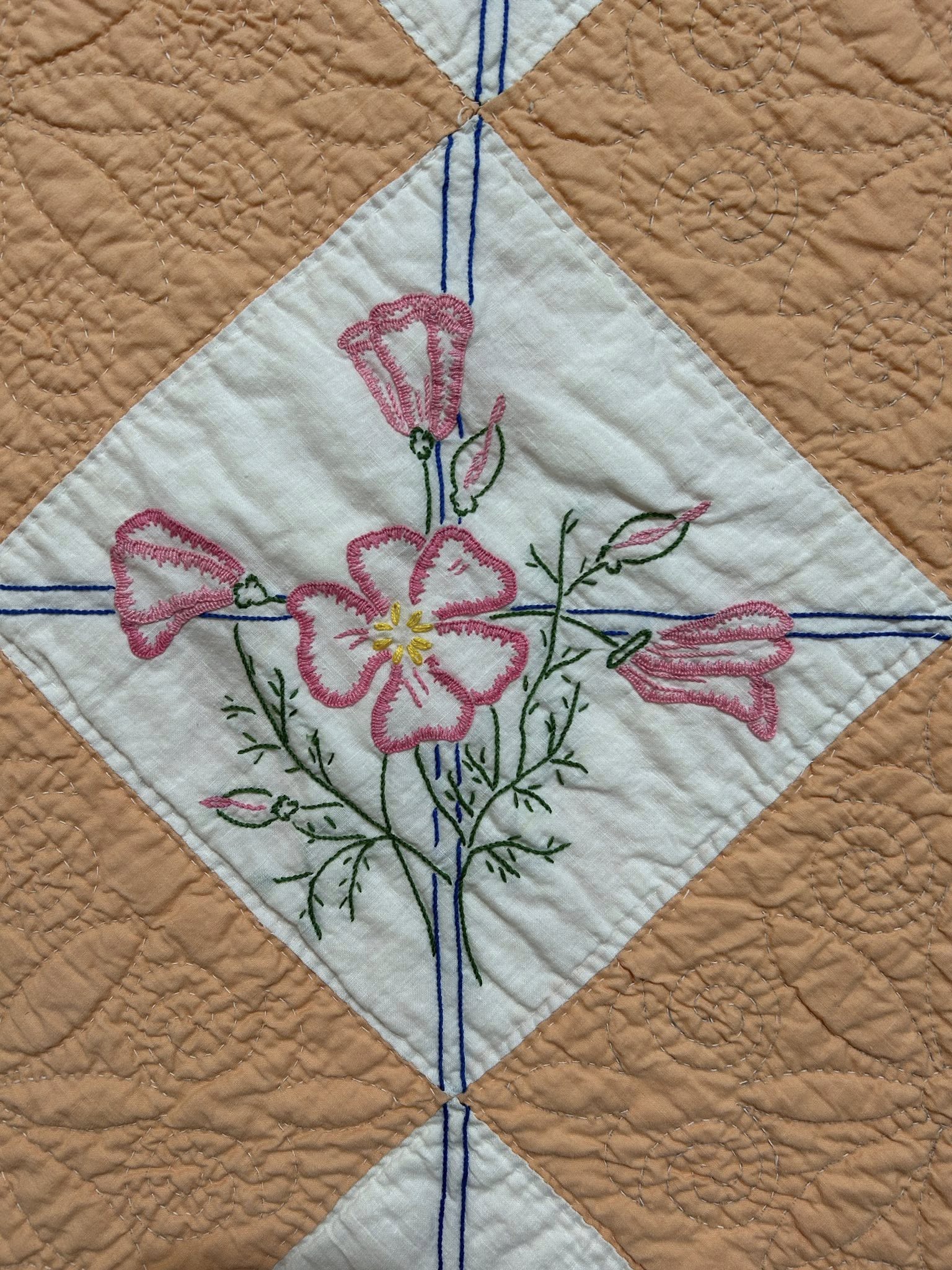
Blossom Time, 1933, Unknown maker. From the collection of Susan Price Miller.